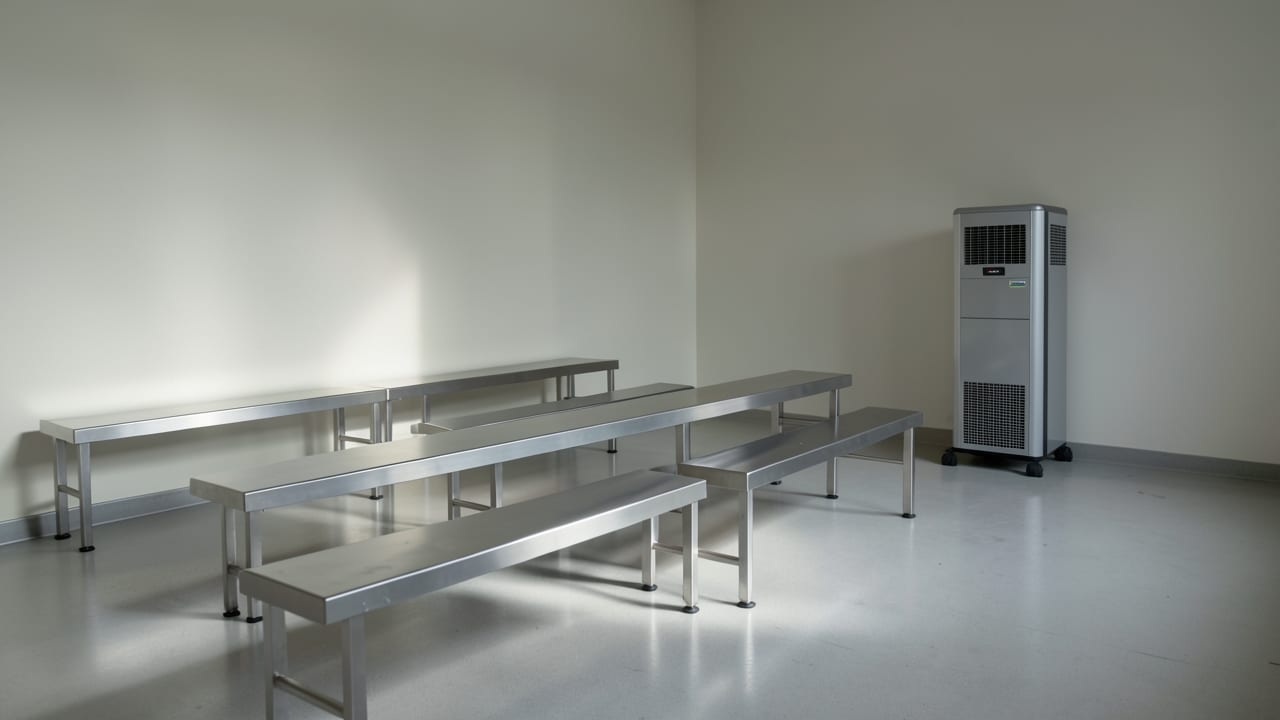
Gym Mold Remediation
Professional removal and treatment of mold in gyms to restore safe, clean environments.
Gym mold remediation in Lehi, UT addresses mold growth in fitness areas, where moisture and poor ventilation create ideal conditions for spores. Specialized techniques isolate affected spaces, remove contaminated materials, and restore air quality to help prevent regrowth and structural damage.
This process targets walls, ceilings, and equipment to meet health and safety standards for private residences.
We also handle Wood Furniture Mold Remediation and Tile & Grout Mold Cleanup for Lehi properties.
When to address mold in your gym space
Mold in a home gym or fitness area often starts small but can spread quickly if moisture sources—like leaks, condensation, or poor airflow—aren’t addressed. Visible signs include dark spots larger than a few square feet, recurring growth after cleaning, or a musty smell that lingers even after wiping surfaces.
Hidden mold, such as behind equipment or under flooring, may only reveal itself through persistent odors or health symptoms like allergies.
A musty smell that worsens when the HVAC runs suggests spores are circulating through ducts, while damp corners or equipment enclosures indicate trapped moisture. If mold keeps returning in the same spot, the underlying moisture issue likely hasn’t been resolved.
These signals often mean the problem has outgrown DIY solutions and requires professional containment and removal to prevent further spread.
Signs Mold Remediation Is Needed
- Mold covers more than a small, isolated patch (e.g., over 25 contiguous square feet).
- Growth returns within weeks after cleaning, even after scrubbing the same area.
- A musty odor persists in the room or worsens when the HVAC system is on.
- Dampness or condensation is visible in corners, under equipment, or near windows.
- Health symptoms (sneezing, itching, or respiratory irritation) appear when using the space.
How mold remediation protects your space
Professional gym mold remediation focuses on containment, removal, and drying to minimize spore spread and prevent regrowth. Containment involves sealing the work area with plastic sheeting and negative-air machines to trap spores during removal.
Porous materials like drywall or carpet padding, which absorb mold deeply, are typically cut out and disposed of, while non-porous surfaces are cleaned and treated to inhibit future growth.
After removal, industrial dehumidifiers and air movers dry structural materials to safe moisture levels, and HEPA-filtered air scrubbers run continuously to capture airborne spores. Clearance testing by an independent lab confirms spore counts are back to normal before the area is released.
Fixing the moisture source—such as repairing leaks or improving ventilation—is critical to help the finish last longer.
| Step | Purpose | Equipment Used |
|---|---|---|
| Containment | Prevents spores from spreading to unaffected areas | Plastic sheeting, negative-air machines |
| Material Removal | Eliminates mold from porous surfaces that can’t be cleaned | Cutting tools, HEPA-vacuumed disposal bags |
| Surface Cleaning | Kills mold on non-porous materials like tile or metal | Antimicrobial treatments, HEPA-filtered scrubbers |
| Structural Drying | Reduces moisture in framing and subfloors to inhibit regrowth | Industrial dehumidifiers, air movers |
| Clearance Testing | Verifies spore levels are back to normal before reoccupying the space | Independent lab air or surface sampling |
What affects cost and timeline
The scope of gym mold remediation varies based on the size of the affected area, the extent of contamination, and whether hidden mold is discovered during the process. Larger spaces or those with extensive growth require more labor, containment materials, and equipment, which can increase both time and cost.
Accessibility—such as removing equipment or opening walls—also plays a role, as does the need for phased work to minimize disruption.
Additional factors include whether the moisture source is identified and fixed during the job, as well as local regulations or HOA requirements that may dictate extra documentation or inspections. While pricing is project-specific, complex remediations often range higher due to stricter containment and testing protocols.
How gym mold remediation works
This process isolates, removes, and treats mold to restore air quality and prevent regrowth.
- 1Containment Setup
Plastic sheeting and negative-air machines seal the work area to trap spores during removal, preventing them from spreading to other parts of the home.
- 2Material Removal
Porous materials like drywall or carpet padding, which absorb mold deeply, are cut out and disposed of in HEPA-vacuumed bags, while non-porous surfaces are cleaned and treated.
- 3Structural Drying
Industrial dehumidifiers and air movers reduce moisture in framing and subfloors to levels that inhibit mold regrowth, typically below 60% relative humidity.
- 4HEPA Filtration
Air scrubbers with HEPA filters run continuously during the job to capture airborne spores, and surfaces are vacuumed with HEPA-equipped tools to avoid recirculating them.
- 5Clearance Testing
An independent lab tests air or surfaces for remaining spores before the containment is removed, confirming the space meets safety standards.
Frequently asked questions
Can I clean small mold patches myself, or should I call a professional?
Small, isolated patches (under 25 square feet) can often be cleaned with detergent and water, but if the mold keeps returning or covers a larger area, professional remediation is recommended. Hidden mold or musty odors suggest deeper contamination that may require containment and specialized equipment.
How long does gym mold remediation typically take?
The timeline depends on the size of the affected area and whether hidden mold or structural drying is needed. Containment, removal, and drying can take anywhere from a few days to over a week, with additional time for clearance testing before the space is safe to reoccupy.
Will fixing the mold also solve the musty smell?
Removing mold and drying the space helps reduce odors, but lingering smells may indicate hidden growth or trapped spores in HVAC systems or wall cavities. Clearance testing can confirm whether the air quality is back to normal.
Do I need to leave the house during remediation?
It’s safest to avoid the affected area until containment is removed and clearance testing is complete. Professionals will provide guidance on when it’s safe to return, typically after the space has been thoroughly cleaned and dried.
Where Lehi sits, and what the Census lists nearby
Lehi sits in Utah, and the closest places listed in the U.S. Census Gazetteer are Highland (4 miles east), American Fork (4.8 miles southeast), Bluffdale (5.4 miles northwest), Saratoga Springs (5.5 miles southwest). Within 25 miles of Lehi the same source lists 47 distinct incorporated places and census-designated places.
Those figures matter for gym mold remediation because they are straight-line distances between Census coordinate points: road mileage between Lehi and Highland runs longer than the 4 miles shown, which is why quotes for the same job differ between towns that look close together on a map.
Source: U.S. Census Bureau Gazetteer.
See Riverton, UT for more, or explore everything on offer in Lehi by service type for our complete lineup.
Ready to get started?
Talk to a local mold remediation pro in Lehi — get a written quote.
Other Mold Remediation Services in Lehi
Wood Furniture Mold Remediation in Lehi, UT
Professional removal and treatment of mold from wood furniture to restore safety and appearance.
Learn More
Tile & Grout Mold Cleanup in Lehi, UT
Professional removal of mold from tile and grout surfaces in bathrooms, kitchens, and other tiled areas.
Learn More
Vinyl Flooring Mold Treatment in Lehi, UT
Professional mold treatment and removal for vinyl flooring in homes.
Learn More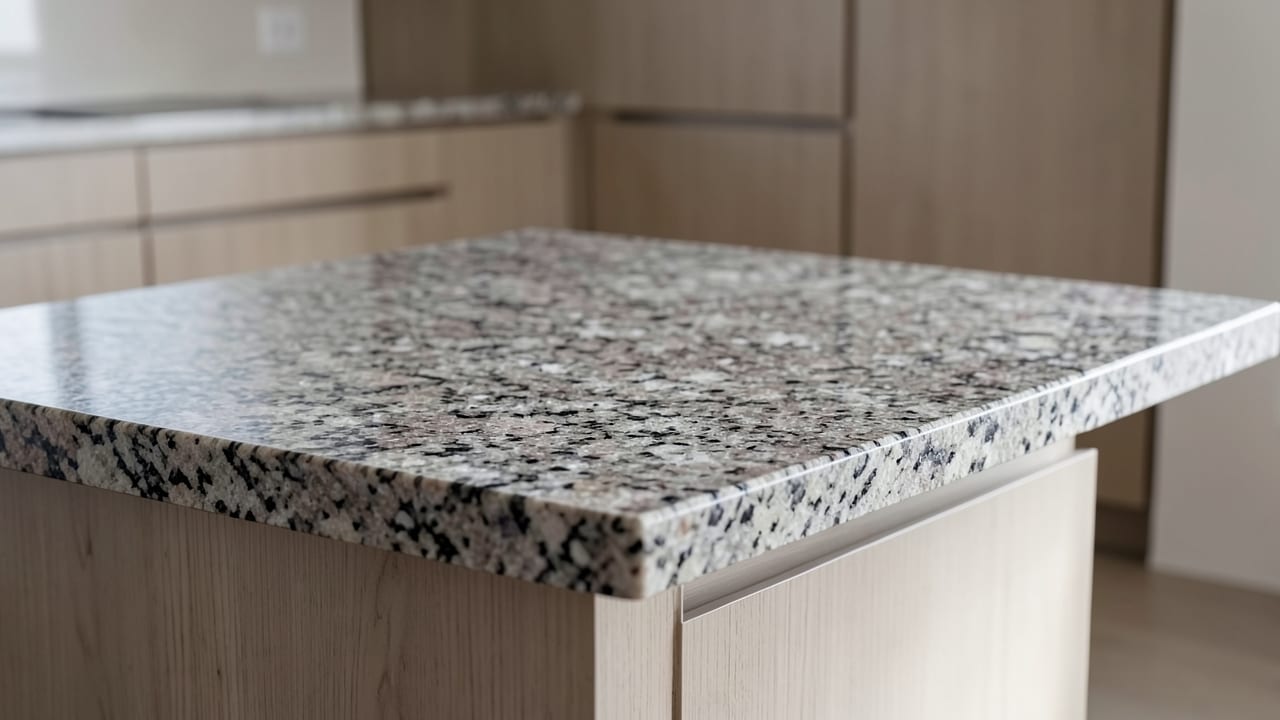
Stone Countertop Mold Removal in Lehi, UT
Professional removal of mold from stone countertops using specialized cleaning and treatment methods.
Learn More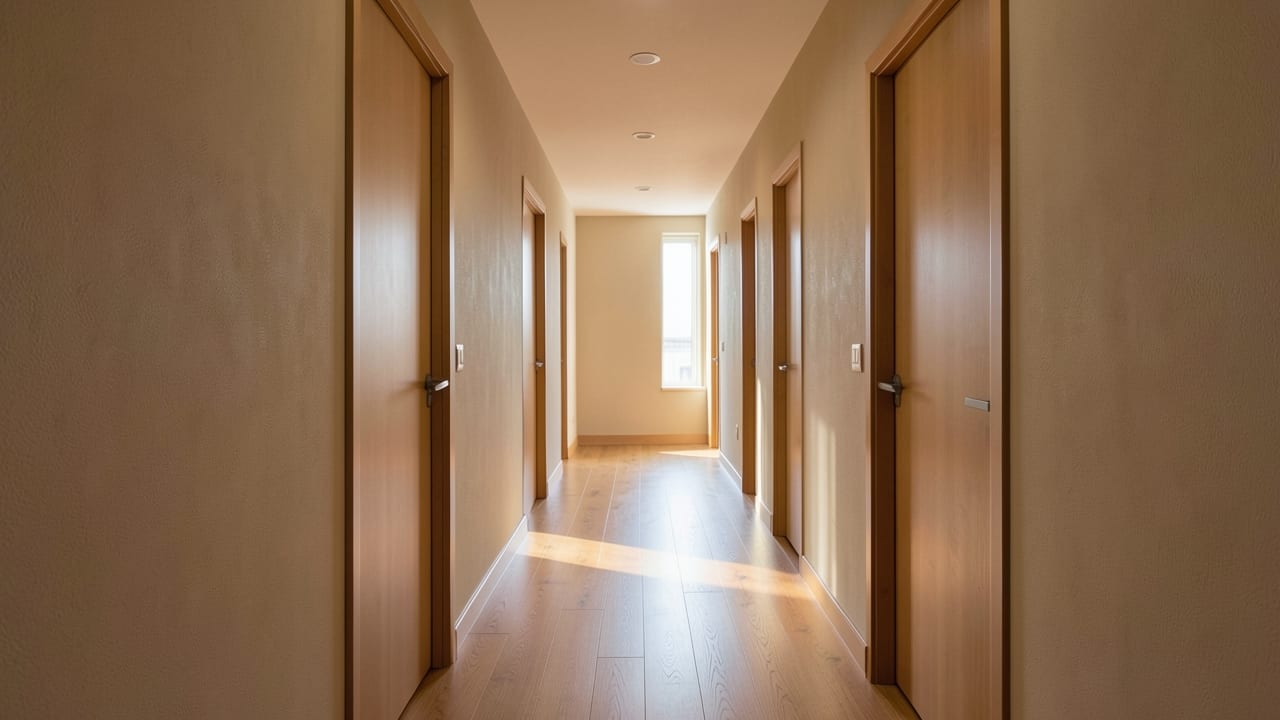
Hallway Mold Remediation in Lehi, UT
Professional removal and treatment of mold growth in residential hallways.
Learn More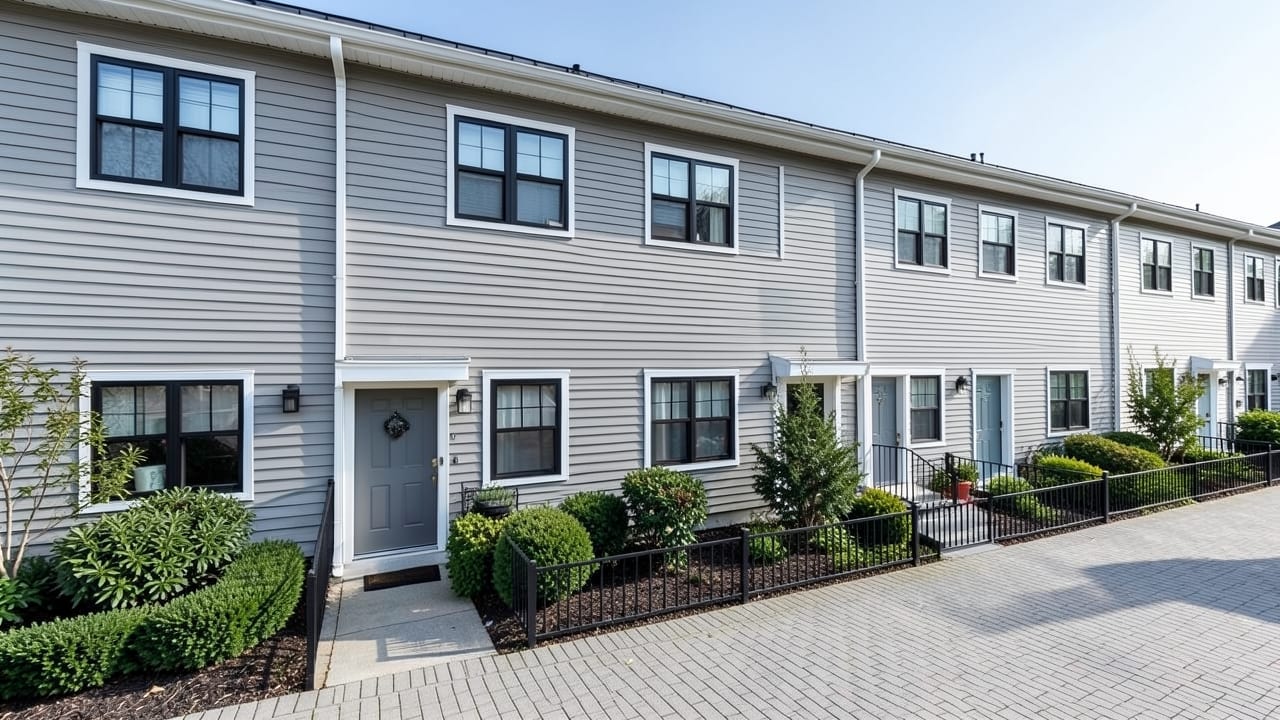
HOA Mold Remediation in Lehi, UT
Professional mold removal and remediation for HOA properties to restore safe, healthy living conditions.
Learn MoreCommon Questions About Mold Remediation in Lehi
Everything you need to know about mold remediation services in Lehi
How much does Gym Mold Remediation typically cost in Lehi, UT?
Can mold really be a problem in a dry climate like Lehi, UT?
Does mold mean the same thing as mildew?
Does homeowners insurance typically cover mold remediation?
Is black mold actually more dangerous than other mold types?
How long does a typical mold remediation job take?
Need Mold Remediation in Lehi?
Connect with local providers in Lehi for a detailed quote.
⏰ We answer your call • Serving all of Lehi and surrounding areas