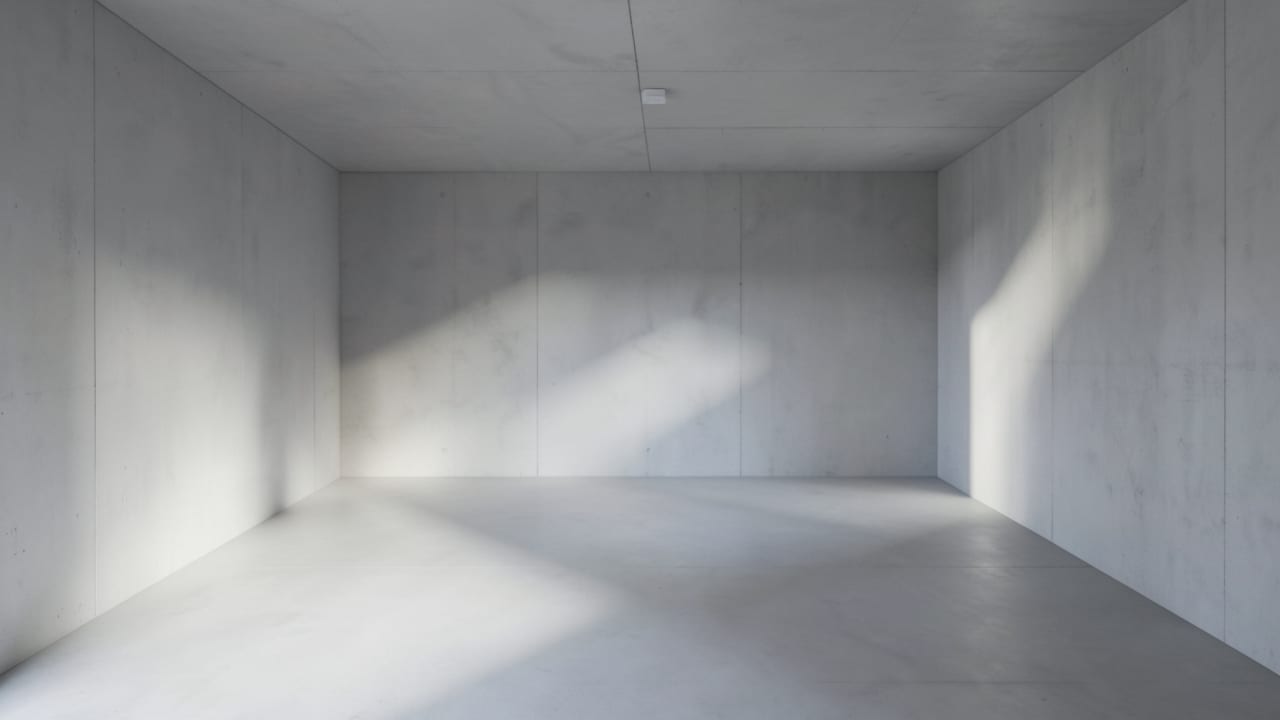
Garage Mold Removal
Professional assessment and removal of mold growth in garages to restore a safe, clean space.
Garage mold thrives in damp, poorly ventilated spaces like Lehi’s garages, where moisture from leaks, condensation, or poor drainage creates the perfect environment for growth. Professional removal involves containment, safe disposal of contaminated materials, and targeted cleaning to prevent regrowth—addressing both visible mold and hidden moisture sources that cause it.
Unlike surface wipe-downs, proper remediation follows strict protocols to minimize spore spread and reduce the risk of recurrence.
We also handle Crawl Space & Basement Mold Remediation and Attic Mold Remediation for Lehi properties.
When to call for help
Mold in a garage often starts small but can spread quickly if ignored. Visible signs like discoloration, a musty smell, or recurring growth after cleaning are clear indicators that professional help is needed.
Lehi’s humid climate and frequent garage use—storing tools, cars, or seasonal items—can accelerate mold development, especially in poorly ventilated or water-prone areas.
Hidden mold, such as behind walls or under flooring, is harder to spot but just as dangerous. If mold keeps returning in the same spot, or if you notice a stronger smell when the HVAC runs, it may be spreading through ductwork or structural materials.
At this stage, containment and testing become critical to prevent wider contamination.
Signs Your Garage Mold Needs Professional Removal
- Mold covers more than a small, isolated patch (typically over 25 square feet of contiguous growth).
- Visible mold keeps returning within weeks of cleaning, even after scrubbing surfaces.
- A musty smell persists with no visible mold, suggesting hidden growth in walls, floors, or ductwork.
- You notice condensation or water stains on garage walls, ceilings, or subflooring—indicating an unresolved moisture source.
- Mold appears on multiple surfaces or materials (e.g., drywall, insulation, and framing) simultaneously.
What affects cost and scope
The size of the affected area, the type of mold, and the materials involved all influence pricing. Surface-level mold on tile or concrete is easier and less costly to treat than growth embedded in drywall or insulation, which often requires removal rather than cleaning.
Black mold (Stachybotrys chartarum) may also increase costs due to stricter handling protocols.
Hidden moisture sources—like leaks, poor grading, or lack of ventilation—can extend the job. Addressing these during remediation helps prevent future growth, but they may not be included in basic cleanup quotes. Always confirm whether a quote covers inspection, containment, testing, and moisture source repairs—or just surface treatment.
What to watch for in a quote
Not all quotes cover the same work. Containment, clearance testing, and moisture source repairs are often priced separately, which can lead to unexpected costs if overlooked. A low bid that excludes these steps may save money upfront but risk incomplete remediation—or even spread spores to other parts of your home.
Ask whether the estimate includes a written scope of work, third-party lab testing, and a plan for hidden mold or moisture issues. Vague language about ‘square footage’ or ‘area treated’ can make it hard to compare bids accurately.
Always verify whether the contractor holds the required state license for mold remediation in Utah.
| Red Flag in a Quote | Why It Matters |
|---|---|
| No mention of containment or clearance testing | Work without containment risks spreading spores; testing confirms the job’s effectiveness. |
| Pressure to sign during the inspection visit | A legitimate scope takes time to prepare—rushing removes your chance to compare bids. |
| Full payment requested before work starts | Paying upfront removes leverage if the job isn’t completed as promised. |
| Vague estimates (e.g., ‘per square foot’ without boundaries) | Makes it impossible to compare bids or know exactly what’s included. |
How garage mold removal works
Professional remediation follows a structured process to safely eliminate mold and prevent regrowth.
- 1Containment
Plastic sheeting and negative-air machines seal off the garage to trap spores during removal. This prevents cross-contamination into other parts of your home via air currents or HVAC systems.
- 2Material Removal and Cleaning
Porous materials like drywall or insulation—where mold grows deep—are cut out and disposed of in sealed bags. Non-porous surfaces (e.g., concrete, tile) are scrubbed with antimicrobial treatments to kill remaining spores.
- 3HEPA Filtration and Drying
HEPA air scrubbers run continuously to capture airborne spores, and HEPA vacuums clean surfaces. Industrial dehumidifiers and air movers dry structural materials to prevent moisture-driven regrowth.
- 4Clearance Testing
An independent lab tests air or surface samples post-remediation to confirm spore counts are back to normal levels before containment is removed.
- 5Moisture Source Repair
Fixing leaks, improving ventilation, or adjusting grading to redirect water helps ensure the mold doesn’t return. This step is critical but often excluded from basic cleanup quotes.
Frequently asked questions
Can I clean garage mold myself, or is professional removal necessary?
Surface mold covering less than 25 square feet *might* be cleaned with detergent, water, and a HEPA vacuum, but garages often have hidden growth or moisture issues that DIY methods miss. Professional removal includes containment, testing, and addressing hidden sources—steps that reduce the risk of recurrence.
How long does it take to remediate a moldy garage?
The timeline depends on the size and severity of the mold. Containment and removal can take 1–3 days, followed by drying (3–7 days) and clearance testing. Jobs with hidden moisture sources or large affected areas may require additional time to fully address the problem.
Will my insurance cover garage mold removal?
Most homeowners’ policies cover mold damage if it results from a covered peril (e.g., a burst pipe), but exclusions vary. Check your policy for limits on mold claims and whether professional remediation is required. Document the issue with photos and moisture sources before contacting your insurer.
How can I prevent mold from coming back after remediation?
Fix the moisture source first—repair leaks, improve ventilation with fans or dehumidifiers, and ensure proper grading away from your garage. Monitor humidity levels (aim for 30–50% relative humidity) and address any new dampness promptly, as mold regrowth often starts from unresolved moisture.
Where Lehi sits, and what the Census lists nearby
Lehi sits in Utah, and the closest places listed in the U.S. Census Gazetteer are Highland (4 miles east), American Fork (4.8 miles southeast), Bluffdale (5.4 miles northwest), Saratoga Springs (5.5 miles southwest). Within 25 miles of Lehi the same source lists 47 distinct incorporated places and census-designated places.
Those figures matter for garage mold removal because they are straight-line distances between Census coordinate points: road mileage between Lehi and Highland runs longer than the 4 miles shown, which is why quotes for the same job differ between towns that look close together on a map.
Source: U.S. Census Bureau Gazetteer.
See Highland, UT for more, or explore the rest of our Lehi lineup side by side for our complete lineup.
Ready to get started?
Talk to a local mold remediation pro in Lehi — get a written quote.
Other Mold Remediation Services in Lehi
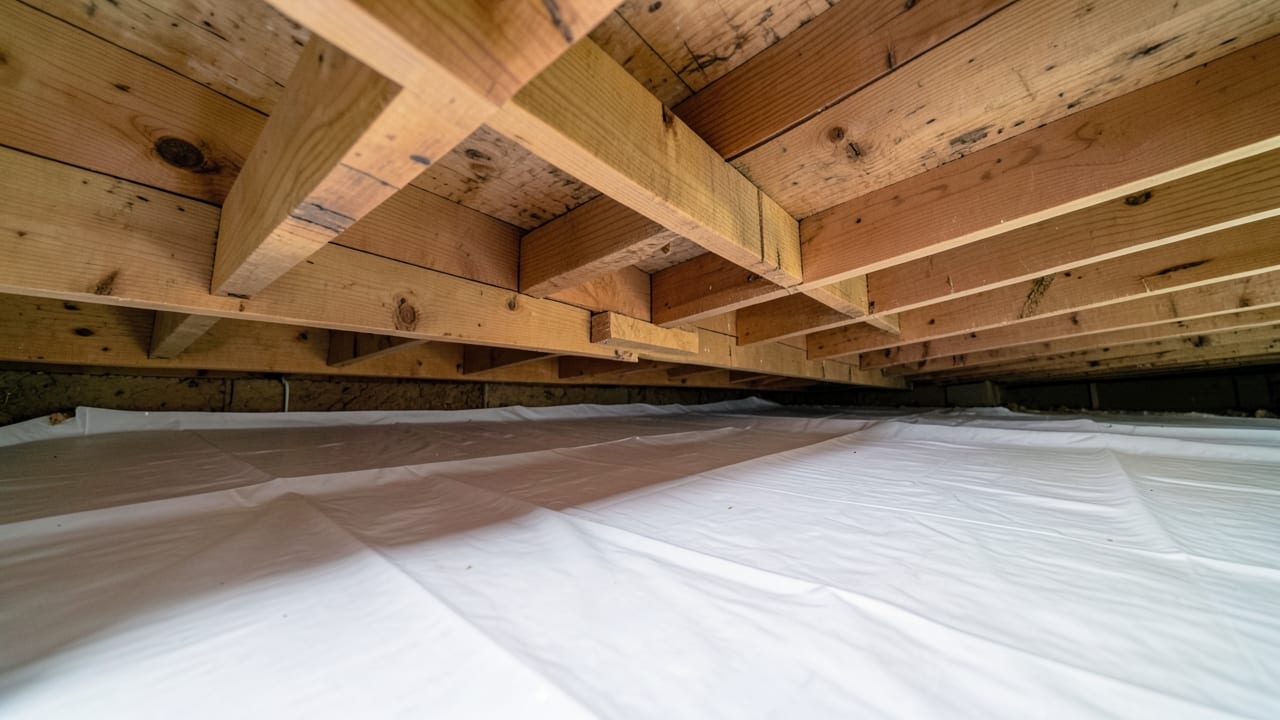
Crawl Space & Basement Mold Remediation in Lehi, UT
Crawl space and basement mold remediation in Lehi, UT addresses the two areas of a property most prone to trapped, unnoticed moisture.
Learn More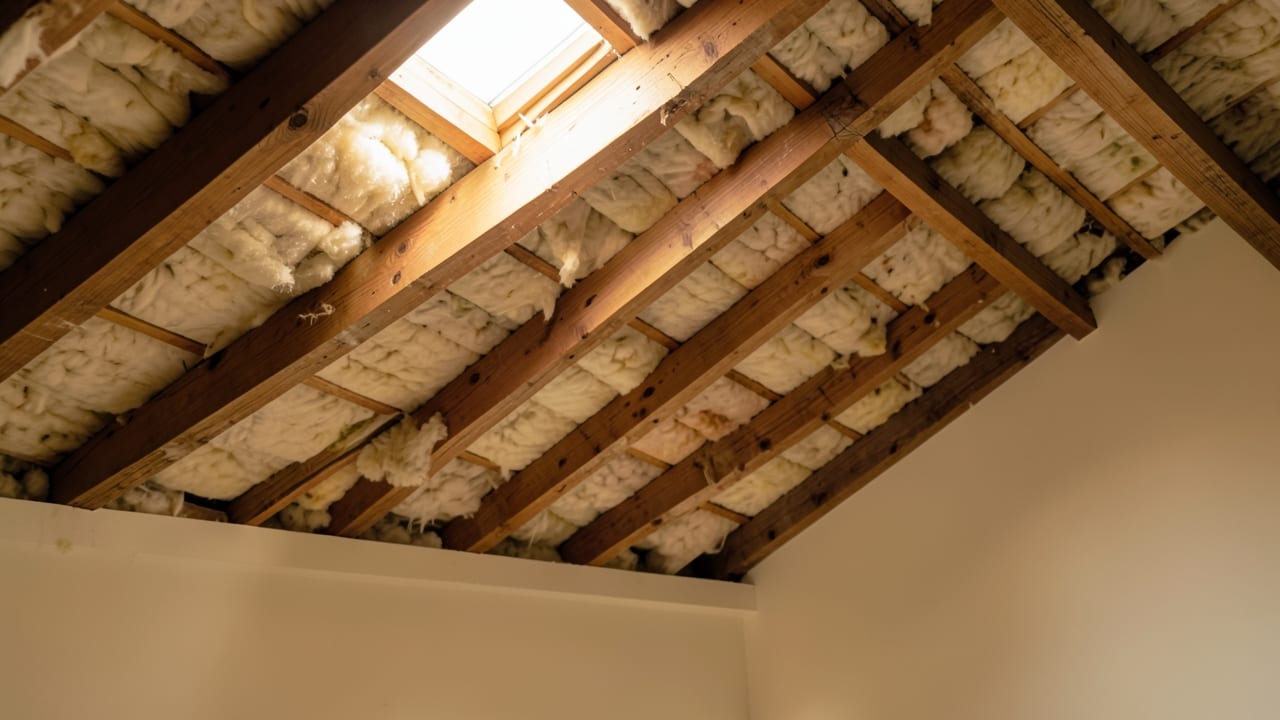
Attic Mold Remediation in Lehi, UT
Attic mold remediation in Lehi, UT addresses roof-deck growth typically caused by poor ventilation or a hidden roof leak.
Learn More
Commercial Mold Remediation in Lehi, UT
Commercial mold inspection and remediation in Lehi, UT for offices, retail space, and multi-unit properties, scheduled around business operations.
Learn More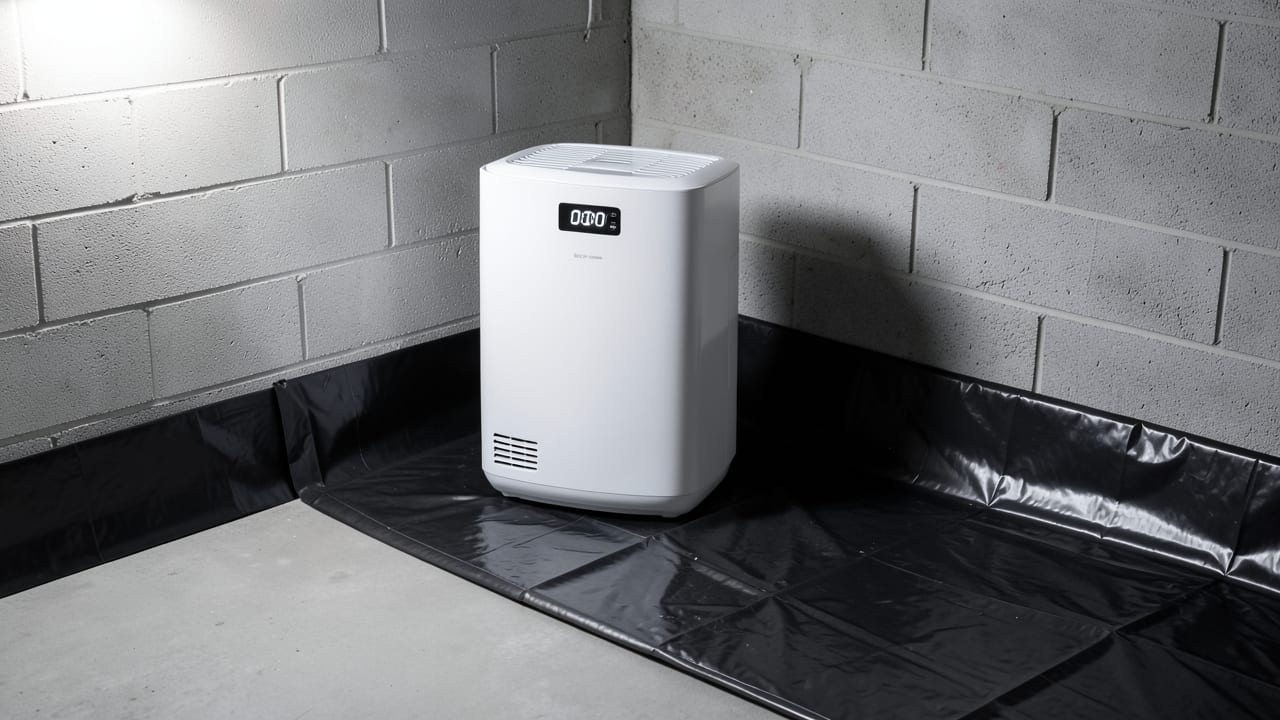
Mold Prevention & Moisture Control in Lehi, UT
Mold prevention and moisture control in Lehi, UT — addressing ventilation, humidity, and drainage before growth starts, not after.
Learn More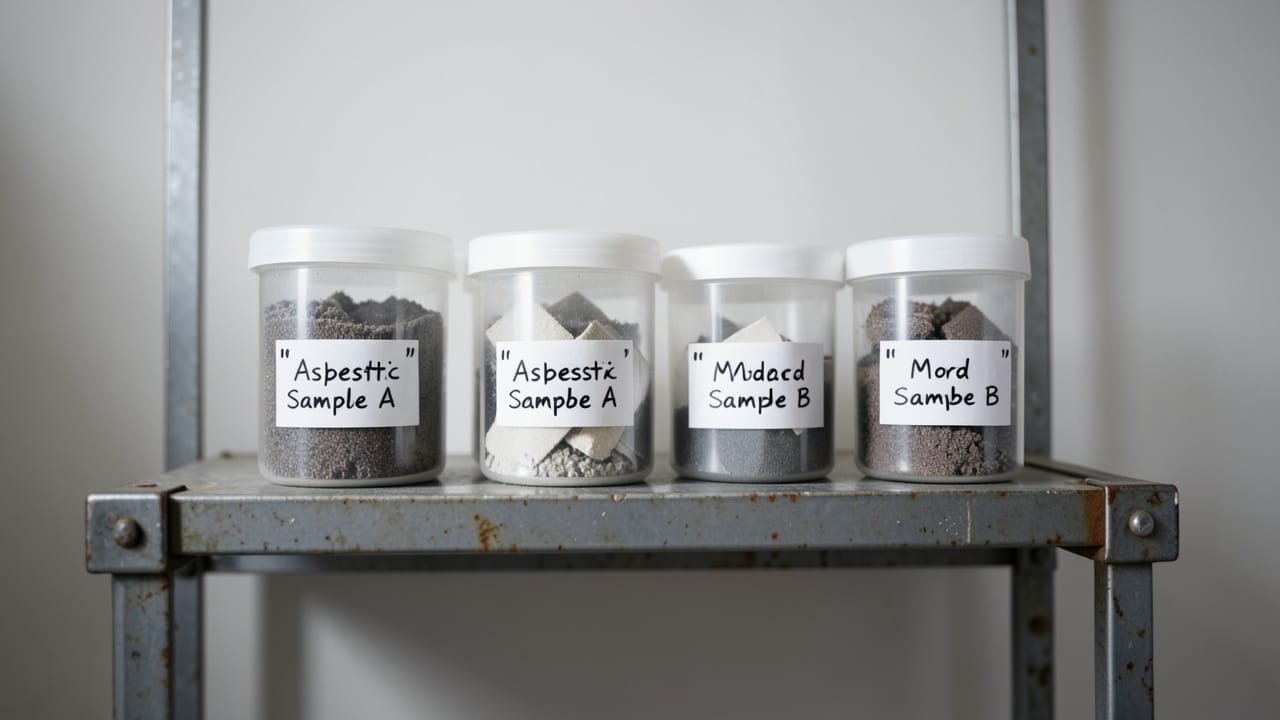
Mold & Asbestos Testing in Lehi, UT
Combined mold and asbestos testing in Lehi, UT — one inspection visit, lab-verified results for both.
Learn More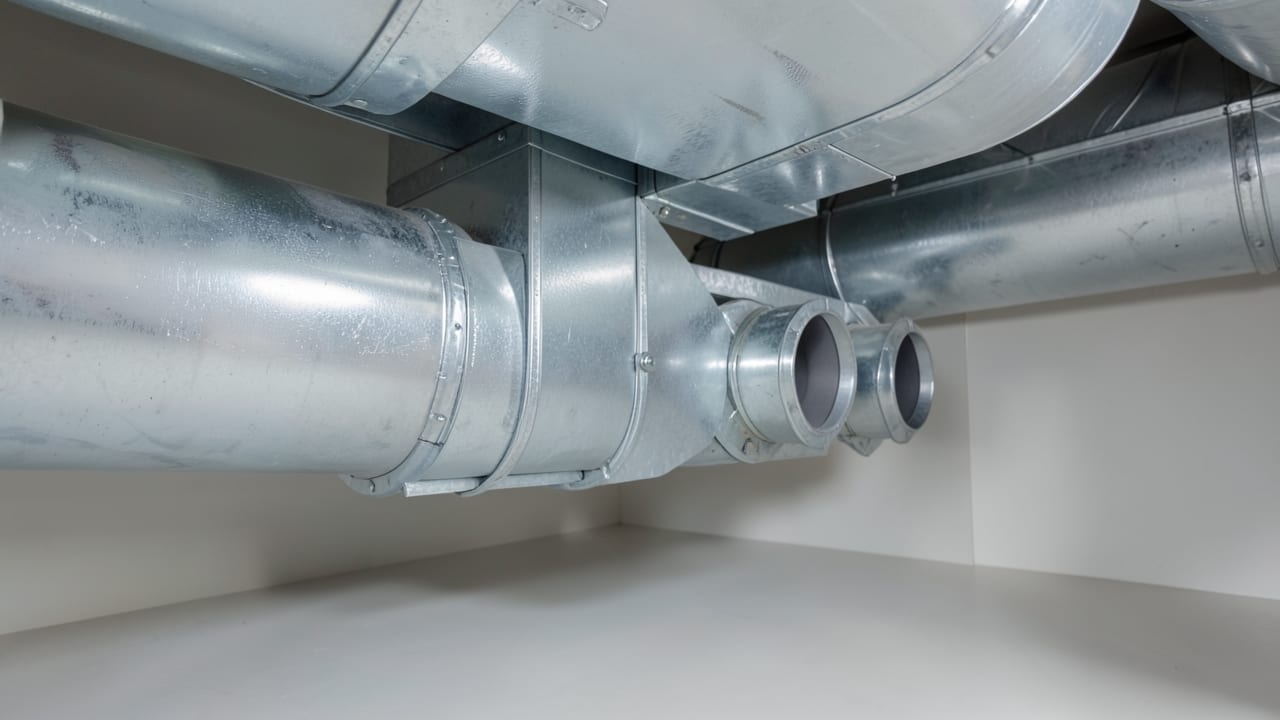
HVAC Mold Remediation in Lehi, UT
HVAC and ductwork mold remediation in Lehi, UT — mold growing inside the air handler or duct system, spreading through every vent.
Learn MoreCommon Questions About Mold Remediation in Lehi
Everything you need to know about mold remediation services in Lehi
How much does Garage Mold Removal typically cost in Lehi, UT?
Can mold really be a problem in a dry climate like Lehi, UT?
Does homeowners insurance typically cover mold remediation?
Is black mold actually more dangerous than other mold types?
How long does a typical mold remediation job take?
Is it safe to stay in the home during mold remediation?
Need Mold Remediation in Lehi?
Connect with local providers in Lehi for a detailed quote.
⏰ We answer your call • Serving all of Lehi and surrounding areas